
A Season to Slow Down: Self-Care Routines for the Shift Into Fall
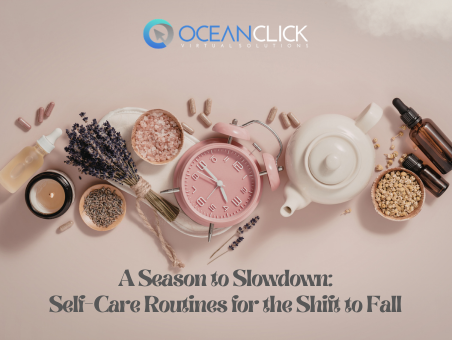
The transition into fall often happens subtly. Days grow shorter, routines shift, and the pace of life begins to change. What once felt energetic may now feel demanding, and the body and mind quietly adjust to a new rhythm. This seasonal shift is not a disruption—it’s an invitation to soften, to slow down, and to care for yourself with greater intention.
As schedules evolve and responsibilities settle into new patterns, self-care becomes less about indulgence and more about regulation. Fall offers a natural moment to realign habits in ways that support both mental and emotional well-being.
Notice the shift. Seasonal transitions affect more than the weather. Energy levels fluctuate, moods may shift, and motivation can feel different than it did in brighter months. Rather than resisting these changes, noticing them creates space for self-compassion. Awareness allows you to respond thoughtfully instead of pushing yourself to maintain an unsustainable pace.
Create grounding routines. As life becomes busier, simple, repeatable routines can provide stability. Morning or evening rituals—such as stretching, journaling, warm showers, or quiet reflection—offer moments of calm within changing schedules. These practices don’t need to be time-consuming; consistency matters more than intensity.
Support your body. Cooler weather calls for care that feels nourishing rather than restrictive. Balanced meals, warm beverages, and gentle movement help regulate both stress and energy levels. Sleep, often overlooked, becomes especially important during seasonal change. Prioritizing rest is not laziness—it’s maintenance.
Protect your emotional space. Fall often brings increased responsibilities and expectations. Setting boundaries around time, social commitments, and digital consumption can prevent emotional overload. Self-care includes knowing when to step back, say no, or allow yourself quiet without guilt.
Adapt, don’t abandon. Routines that worked in previous seasons may need adjustment. Instead of forcing old habits to fit new circumstances, allow flexibility. Self-care is not about perfection or rigid rules—it’s about responsiveness. Small changes can make routines feel supportive again rather than demanding.
Find comfort without avoidance. Seeking comfort during fall is natural. Warm environments, familiar music, and moments of stillness can soothe the nervous system. The key is balance—using comfort as a way to restore energy, not to avoid difficult emotions or responsibilities.
Check in with yourself regularly. As routines settle, gentle self-check-ins help maintain well-being. Asking yourself how you’re coping, what feels heavy, and what feels supportive keeps self-care intentional. These moments of reflection ensure that care evolves alongside your needs.
The transition into fall is not about doing more—it’s about doing what supports you best in this season. Self-care routines are not fixed habits, but living practices that shift as life does. By moving through this change with awareness and kindness, you create space for steadiness, comfort, and renewed balance.
Slow down as we shift into autumn, visit oceanclick.ph/home and book an appointment today.


Comments